DEA “One Pill Can Kill” Campaign: Fentanyl Awareness, Counterfeit Pills, and Medication Safety “One Pill Can Kill”
DEA “One Pill Can Kill” Campaign: Fentanyl Awareness, Counterfeit Pills, and Medication Safety

Introduction
Counterfeit pills and illicit synthetic drugs have become a major public health concern. The U.S. Drug Enforcement Administration (DEA) launched the “One Pill Can Kill” campaign to educate communities about the dangers of counterfeit prescription pills containing fentanyl and other powerful synthetic substances.
With millions of visitors expected during major international events, including the FIFA World Cup 2026, the DEA is expanding public awareness efforts in host cities to help residents and travelers understand the risks associated with fake medications and illicit drugs.
Lil Cent Global Medical Pharmacy provides educational information about pharmaceuticals, laboratory standards, and medication safety while promoting responsible awareness of regulated substances and compliance with applicable laws.
What Is the “One Pill Can Kill” Campaign?
The “One Pill Can Kill” initiative is a DEA public education campaign designed to raise awareness about counterfeit pills and the dangers of illegally manufactured medications.
The campaign focuses on helping people understand that some counterfeit tablets may look identical to legitimate prescription medications but can contain dangerous substances such as fentanyl.
Campaign Goals
The DEA campaign aims to:
- Increase awareness about counterfeit medications
- Educate communities about fentanyl risks
- Encourage safer medication practices
- Promote overdose prevention education
- Support public health initiatives
Why Is the DEA Expanding the Campaign?
Large international events bring together millions of people from different countries and communities. According to the DEA, these events provide an opportunity to share important safety information with a wider audience.
The campaign helps visitors and residents understand:
- The risks of counterfeit pills
- The dangers of unknown substances
- The importance of obtaining medications through legitimate healthcare channels
Understanding Fentanyl
Fentanyl is a synthetic opioid that is used medically for specific pain management situations under professional supervision. However, illegally manufactured fentanyl has become a significant factor in many overdose cases.
Key Facts About Fentanyl
| Category | Information |
|---|---|
| Drug Type | Synthetic opioid |
| Medical Use | Prescription pain management under medical supervision |
| Major Concern | Illicit fentanyl in counterfeit pills |
| Appearance | Cannot reliably be identified by sight, smell, or taste |
| Public Health Risk | Can cause severe overdose and respiratory depression |
How Does Fentanyl Enter Counterfeit Pills?
The DEA reports that illegally manufactured fentanyl may be mixed into other substances or pressed into counterfeit tablets designed to resemble prescription medications.
Common examples include fake versions of:
- Oxycodone tablets
- Hydrocodone tablets
- Alprazolam (Xanax)-like tablets
- Stimulant medications
Because counterfeit pills can appear similar to legitimate medications, individuals may not know what substances they contain.
Counterfeit Pills vs Legitimate Medications
Simple Comparison Diagram
Legitimate Medication
Emerging Synthetic Drug Concerns
Federal agencies continue monitoring new combinations of synthetic substances that may increase health risks.
Examples include:
- Nitazenes
- Xylazine combinations
- Other emerging synthetic compounds
These substances may complicate emergency response because their effects can vary significantly.
DEA Safety Recommendations
The DEA encourages the public to follow important medication safety practices:
Medication Safety Checklist
How to Recognize the Importance of Medication Safety

Understanding the difference between prescription medications, counterfeit pills, and illicit substances is an important part of protecting public health.
Educational resources from organizations such as:
- DEA
- CDC
- Healthcare information providers
- Scientific research organizations
can help individuals make informed decisions about medication safety and overdose prevention.
Lil Cent Global Medical Pharmacy publishes educational articles covering pharmaceutical information, medication safety, and responsible awareness of regulated substances.
Frequently Asked Questions (FAQ)
What Is the DEA “One Pill Can Kill” Campaign?
The “One Pill Can Kill” campaign is a public awareness initiative that educates people about counterfeit pills containing fentanyl and the risks associated with illicit synthetic drugs.
Why Are Counterfeit Pills Dangerous?
Counterfeit pills may contain unexpected substances or incorrect dosages. Some may contain fentanyl without the user's knowledge, creating a serious overdose risk.
Can You Identify Fentanyl by Appearance?
No. Illicit fentanyl and counterfeit pills cannot be reliably identified by appearance, smell, or taste.
What Should You Do During a Suspected Opioid Overdose?
If an opioid overdose is suspected:
- Call emergency services immediately.
- Administer naloxone if available and appropriate.
- Stay with the person until medical help arrives.
Where Can People Learn More About Medication Safety?
Reliable educational information is available through:
- U.S. Drug Enforcement Administration (DEA)
- Centers for Disease Control and Prevention (CDC)
- Scientific publications
- Healthcare education resources
Key Takeaways
The DEA’s “One Pill Can Kill” campaign highlights the importance of awareness, prevention, and responsible medication practices.
Counterfeit pills can appear identical to legitimate medications while containing dangerous substances. Public education helps individuals recognize risks, seek reliable information, and make safer decisions.
Understanding medication safety is an important step toward reducing accidental overdose risks and protecting communities.
Sources
- U.S. Drug Enforcement Administration (DEA) – One Pill Can Kill Campaign
- Centers for Disease Control and Prevention (CDC) – Fentanyl and Opioid Safety Information
- Scientific research publications on synthetic opioids and counterfeit medications
- Lil Cent Global Medical Pharmacy – Educational Resources on Pharmaceuticals and Medication Safety
“One Pill Can Kill campaign,” “counterfeit pills,” “fentanyl awareness,” and “medication safety.”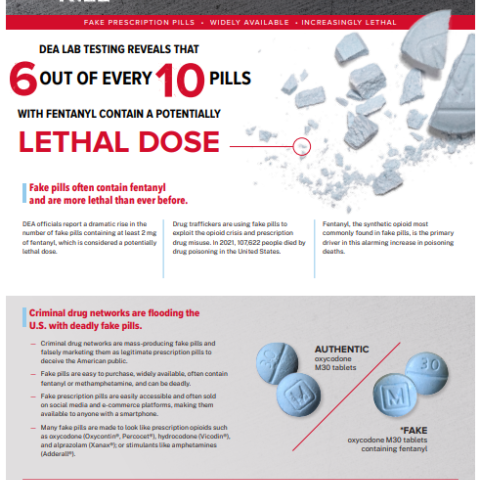


Comments
Post a Comment